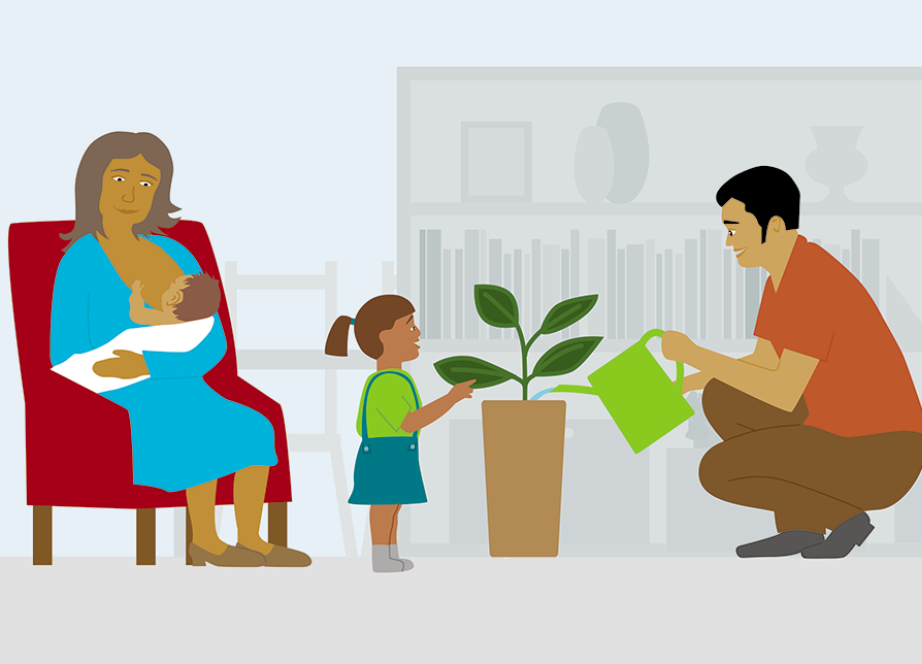
Paid family leave (PFL) allows employees to take paid time off during pregnancy, after the birth or adoption of a child, or when a young child or other family member needs care — helping workers balance family care needs with work responsibilities. Less than 15% of workers are estimated to have access to PFL, and low-income employees and workers of color are the least likely to have meaningful access to PFL.
While federal law requires many businesses to provide unpaid family leave, many workers, especially those with lower wages, cannot afford to take unpaid leave, so low-wage workers often miss out on the health benefits associated with family leave. PFL for caregiving for young children has many health-related benefits for mothers, children, and families; these include increases in health benefits associated with breastfeeding, better mother-child interactions, and decreased maternal and marital stress.
ChangeLab Solutions has developed resources including fact sheets, a literature review, infographics, articles, and more, detailing the positive health effects of PFL for families, young children, new mothers, and employers.